Blog

  • How Long Zero Turn Lawn Mowers Last

    How Long Zero Turn Lawn Mowers Last

    When the question arises how long a zero turn lawn mower lasts? I would say it totally depends upon its maintenance and care. I have seen some models last for 1000 hours and some go more than 3000 hours. If you want to know how long they last then follow this guide where I have discussed the factors that affect the lifespan of a mower and suggested some long lasting top models.

    Before we dive deeper, take a look at

    Our Top 7 Picks for Lawn Mower that Last Longer

    How Long Zero Turn Lawn Mowers Last: Factors That Influence Lifespan

    Maintenance:

    In my point of view maintenance is the key where a mower can sustain for a long period of time. Maintenance meant regular oil changes, checking of machine parts, finding any issues properly will keep your mower healthy. Where your mower delivers an optimal and reliable service without any disappointment. 

    Usage Types: 

    Also, I believe how you use your mower has a direct impact on its longevity. If you handle it gently and avoid very rough terrain, which can damage your mower quickly, then your mower can last for many years.

    But now the question is, if someone has rough land, could they ever use a mower? Yes, they can, but more maintenance and care are required for this condition, like changing tyres and blades, etc., which helps your mower last long.

    Also, some models are specifically designed for rough terrain. You can use them without any headaches.

    Lifespan of a mower: 

    Regarding life span, most zero-turn mowers will last 1500-2000 hours with proper care and maintenance, but some models are very tough; they can go 3000 hours and more. If you have that tough mower and take proper care of it, then you will see it can provide service for many years.

    Key points to care:

    Regular Oil Change: 

    Changing the oil regularly can keep your mower’s engine healthy and it will run smoothly without any trouble.

    Cleaning and Inspection: 

    Inspection is very important because if you address the issues and solve them before anything goes wrong, your mower will not be damaged. Regular cleaning also helps to keep your mower fit and fine for a long time.

    Proper Storage: 

    After your mowing session or when not in use, cover your mower to protect it from dust, dirt, sunlight, rain, and snow. Also, try to store it properly indoors, which helps your mower last longer.

    Avoiding Overworking: 

    Avoid overloaded work. Mowing beyond your mower’s limit can damage your mower sooner, especially in challenging terrain. Otherwise, you may find your mower prematurely torn and broken. Always use it within its recommended capacity. To know the five effective ways to help your zero turn lawn mower last long follow our article.

    Now you know How Long Zero Turn Lawn Mowers Last, you may also like to read our comprehensive buyer’s guide for Zero Turn Lawn Mower.

    End Thoughts

    So we got to know finally, the lifespan of a mower depends on its brand, type and maintenance. If you take care of them properly, most zero turn mowers can go for 1500- 2000 hours. Which are made for tough work, they can go for 3000 hours if you look after them. So whatever the mower type, your maintenance and care help to keep them healthy and long lasting.

    FAQs:

    When to know that It’s Time To Retire Your Zero-Turn Mower?

    • When your mower cuts unevenly and does not perform well, it means that some parts of it are damaged.
    •  If you spend more money on repairs and always face machinery issues, then it’s time to get a new zero-turn lawn mower.
    • If your mower does not have any advanced features like fuel-saving or safety features, it’s time to buy a new one, which will help you mow faster and save you time.
    • If you find any rusty or breaking and can not find any parts to fix, then replace it with a new one.
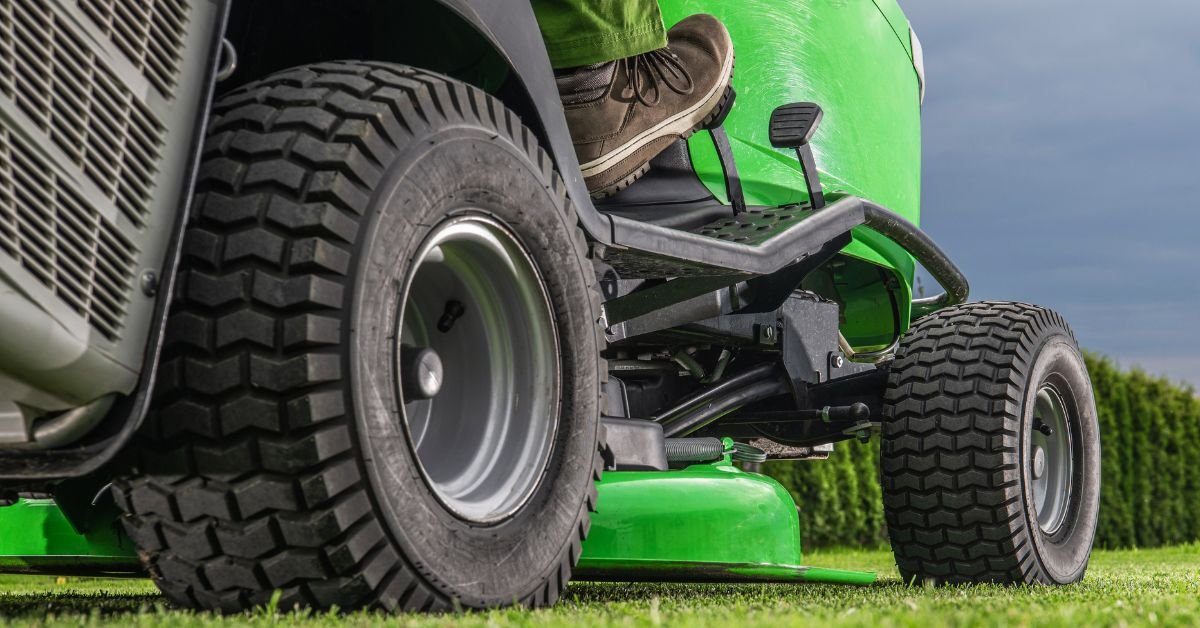
  • How to sharpen the blades on a zero turn lawn mower

    How to sharpen the blades on a zero turn lawn mower

    To Sharpen zero turn lawn mower blades is crucial for a healthy, vibrant lawn. Dull blades shred and tear the grass rather than cutting it cleanly. This leaves grass tips frayed and damaged, creating a ragged appearance. More importantly, the imprecise cuts cause immense stress to the grass, making it far more vulnerable to diseases, pests, and weeds. Well-sharpened blades provide a precise, smooth cut that allows grass to flourish. Keeping mower blades freshly sharpened results in lush, even growth and a beautifully manicured lawn.

    Step-by-Step Guide to Sharpen Zero Turn Lawn Mower Blades

    Here is a step-by-step guide to sharpen the blades on a zero turn mower.

    Step 1: Gather The Necessary Tools

    Before you start, make sure you have all the required tools, including. 

    • Safety gloves
    • Glasses
    • A socket wrench
    • A blade balancer
    • A wrench
    • A rag
    • A screwdriver
    • Lubricant
    • Eye protection
    • A mask
    • Cleaner
    • Work gloves
    • A hand file or grinder
    • A bench clamp or vice

    Step 2: Prioritize Safety

    Turn off the lawn mower and disconnect the spark plug wire to ensure safety near spinning blades.

    Step 3: Cleaning the Mower

    With the mower off, carefully clean it to remove debris, grass, and rust. Pay attention to the underside of the blades, brushing away any accumulated gunk.

    Here are some quick and easy tips.

    TIP1: Gather Your Supplies

    • A pressure washer, 
    • A five-gallon jug of cleaner (such as Simple Green or Purple Power)
    • A handheld sprayer. 

    The cleaner should concentrate, ensuring it lasts a long time.

    TIP2: Use a Pressure Washer for Quick Deck Cleaning

    • Avoid the hassle of manually scraping debris.
    • Utilize a pressure washer for quick and efficient cleaning.
    • Spend less than 60 seconds blasting away dirt and grass clippings.

    This not only saves time but also ensures a thorough cleaning.

    TIP3: Choose an Effective Cleaner

    Opt for a cost-effective cleaner like Simple Green or Purple Power, available in a five-gallon jug for long-lasting use. These cleaners work well and are budget-friendly. Follow the instructions on dilution, but you will only need a little since it’s a concentrate.

    TIP 4: Invest in a Handheld Sprayer

    Make your cleaning process more efficient by using a handheld sprayer. It’s easier on your hands compared to traditional methods. A dedicated sprayer allows you to evenly apply the cleaner without tiring your hand quickly.

    TIP5: Apply the Cleaner

    Fill the handheld sprayer with the diluted cleaner and evenly apply it to the mower surfaces. This includes the deck, blades, and other accessible parts. 

    TIP6: Let the Cleaner Work

    Allow the cleaner to sit for a few minutes, giving it time to break down stubborn deposits. This waiting period boosts the cleaning solution’s effectiveness.

    TIP 7: Rinse with the Pressure Washer

    Once the cleaner has had time to work, use the pressure washer again to rinse off the mower. This step ensures that all loosened debris and cleaner residue are thoroughly washed away.

    TIP8: Regular Maintenance with the Cleaning Solution

    For ongoing maintenance, periodically use the cleaner to keep your zero-turn mower in top condition. The concentrate in the five-gallon jug ensures a long-lasting supply for multiple cleaning sessions.

    TIP 9: Store Your Cleaning Supplies

    After use, store your pressure washer, cleaner, and handheld sprayer conveniently. These readily available tools make it easier to stick to a regular cleaning routine.

    Step 4: Removing the Blades

    Locate the blade retention mechanism and use a wrench or socket set to loosen the fasteners carefully. Remember blade orientation.

    Step 5: Inspecting the Blades

    Examine the blades closely for any signs of damage or wear. Look for nicks, cracks, bends, or dents on the cutting edge. Replace if needed.

    Step 6: Selecting the Sharpening Method

    Choose between hand sharpening for precision or bench grinding for efficiency based on your skill level.

    Step 7: Sharpening the Blades

    To effectively sharpen zero turn lawn mower blades, the process involves hand sharpening. It is securing the blade and using a file or stone at the original bevel angle. For bench grinding, carefully hold the blade against the wheel at its angle.

    You may like this product to sharpen Zero Turn Lawn Mower blades.

    Step 8: Balancing the Blades

    After sharpening, balance the blades by placing them on a nail and filing down the heavier side or adding weight to the lighter side.

    Step 9: Reinstalling the Blades

    Carefully realign the blades on the mower deck according to your notes. Tighten the fasteners, but don’t overtighten.

    Step 10: Test the Mower

    Reconnect the spark plug wire and test the mower before regular use.Sharpen blades regularly for optimal mower performance and a healthy lawn.

    How frequently should you sharpen zero turn lawn mower blades?

    It would be best to sharpen your lawn mower blades at least once or twice per mowing season for optimal performance. However, additional signs that your blades need sharpening include the mower struggling to cut efficiently or the grass tips looking frayed after mowing. If you notice these issues, sharpen the blades immediately, regardless of how recently they were pointed. Sharp blades are essential for your mower to cut cleanly and prevent damage to the grass.

    Now that you know how to sharpen the blades on a zero turn lawn mower, you may also like to read our comprehensive guide on the best Glock laser light. 

    Final thought

    Being able to sharpen the blades on your zero turn mower properly is essential for keeping your lawn looking its best. Sharp blades let you get clean, efficient cuts. It keeps the mower working well longer, too and staying on top of sharpening leads to healthier, prettier grass and a top-notch outdoor space. It’s an essential skill every mower owner should have.

  • What Causes a Zero Turn Lawn Mower Not to Move

    Is your zero turn mower not moving? Whatever you do, it’s not moving? Let’s discuss the reasons why and how to fix it. In this guide we have covered all the variety of reasons and their solutions which help you to handle that problem. Let’s understand.

    Identifying the Movement Issues in Your Mower

    Before you try to fix anything first you need to check closely if there is anything broken in your mower. Which will help you to figure out the exact issues.

    Fuel Filter Clogged

    If your mower’s fuel filter gets blocked, it stops the gasoline from flowing to the engine smoothly.  Which helps to stop the mower suddenly. 

    Solution: To fix this problem replace the old fuel filter which is broken or damaged.

    Carburetor Clogged

    If dirt and debris clogs the carburetor then the air and fuel can not reach the engine. so the engine does not work well and it is hard to move.

    Solution: You might have to clean the carburetor or put in a new one.

    Faulty Battery 

    Weak batteries don’t deliver enough electrical power to start the mower’s engine. Check the battery voltage and change it if it’s old or failing, especially after winter storage.

    Transmission Failure

    Sudden transmission failure can make the mower lose all mobility or only be able to move in one direction. This may require taking it to a shop for diagnosis and professional repair.

    Damaged Drive Belt

    Worn-out, loose, or broken drive belts can’t correctly transfer engine power to the wheels. So it directly impacts the mower’s performance.  

    Solution: Inspect belts and replace them with new ones that are damaged.

    Faulty Pressure Switch

    If something happens to the pressure switch of your mower then it stops the engine to start. 

    Solution: Needs regular maintenance to avoid this problem.

    Defective Tensioner Pulley

    Pulleys maintain proper tension on drive belts. Worn or broken tensioner pulleys allow belt slippage that prevents movement. Replace damaged parts.

    Air in Hydraulic System

    Sometimes the air bubbles are stuck in the pipelines of the hydraulic system which prevents the fluid flow smoothly.  

    Solution: To fix this, follow the instructions to let the air out of the system carefully.

    Missing Axle Key 

    When the metal pieces that hold the wheel to the engine are broken or lost, the wheel falls off and the mower can’t go anywhere.

    Solution: To fix it replace the broken axle keys and attach the wheels to the engine for moving better.

    Drive Release Lever Disengaged 

    The mower can’t drive if this safety lever is not in the operating mode. Please make sure it’s adequately engaged before trying to move.

    Other Potential Causes For Non-Moving Zero-Turn Mower

    • Off the Wheel Rod: Verify the freewheeling rods on both sides to ensure they’re secure
    • Removing the Spleen: Change the spindles if splines are weak or stripped
    • A Poor Damper: Replace dampers to ensure smooth drive control
    • Changes to Traction: Experiment with tire pressure adjustments for improved traction
    • Drag Brake: Inspect and release any stuck brake components
    • Asymmetries in Tire Compression: Make sure your tires have sufficient air so that they don’t tip over.
    • Slippery or Defective Drive Belt: Regular check up and replacing worn-out drive belts is important. 

    When To Call A Professional For Non-Moving Zero-Turn Mower

    Suppose you found your mower won’t move but you have changed the air filter, also changed the broken parts of your mower, you tried everything but could not fix the problems. In this situation you should take a professional’s help. Because trying to fix more, may cause things to get worse. 

    Also every user has a manual book where it is written about the common problems and their solutions also mentioned when to call the professionals. So if your mower is not responding, do not ignore, calling the repair shop or professionals. They are able to find the issues of your mower quickly. 

    Now you know the causes of non-moving zero-turn mower. You may like to read our comprehensive buyers guide on zero turn lawn mowers. 

    Bottom Line

    So it is important to understand the reasons behind a non moving zero turn mower. Following these steps you can find the problem and solve them also. Otherwise you can take the help of a professional. Keep in mind that to get an efficient performable mower, regular maintenance is required.

  • Gravely ZtX-52 Vs Ariens Ikon 52 Zero turn mower

    Are you looking for the best 52 inch zero turn lawn mower? But you are confused about what to choose and which one is best for you. So, do not worry. Here we are to help you through our comparison guide to take your decision easy. In our comparison guide we have covered its gas tank, the designed mulching kit, and how deep the cup holder is. We have broken down all the features in detail. Let’s discuss but before that we will see the product overview.

    Before we dive deeper, here is…

    Our Top 5 Picks for Lawn Mowers

    About Gravely ZtX-52

    Gravely ZT X 52 Kawasaki

    Here we introduced the Gravely ZT X 52 Kawasaki which is the residential lawn mower, with a potent Kawasaki® FR691V engine delivering 23 horsepower. It offers a superb cutting experience. We like its Hydro-Gear® Serviceable EZT® Transaxles drive system, which provides effortless operation. Its integrated parking brake gives safety. The 52-inch fabricated X-Factor® deck, with a cutting height ranging from 1.5 to 4.5 inches, efficiently covers 3.6 acres. Despite its impressive qualities, the ZT X 52 has some limitations, including a relatively limited speed and a smaller fuel capacity.

    Pros:

    • 52-inch fabricated X-Factor® deck for superb cutting 
    • Heavy- duty construction for durability
    • Integrated parking brake for for safety
    • Hydro-Gear® Serviceable EZT® Transaxles drive system for smooth operation
    • Powerful Kawasaki® FR691V engine (23 HP)

    Cons:

    • Ground speed is limited
    • Smaller fuel capacity 

    About Ariens Ikon 52

    Ariens Ikon 52 boasts a robust Kawasaki

    People who want extra comfort, safety and smooth ride need the Ariens Ikon 52. You will like its potent Kawasaki® FR691V Twin engine, delivering 23 horsepower for efficient and powerful operation. The ENVY™ ELITE CUTTING SYSTEM Deck, with its 52” cutting width and 11-gauge 4 1/2” deep fabricated deck, delivers frequent airflow and a clean, precise cut. You can enjoy a comfortable ride during a session with the high-back seat offering excellent back support and molded armrests. The foot-operated Standard Deck Lift Assist adds convenience to deck lifting.

    Pros:

    • Powerful Kawasaki® Engine (23HP)
    • ENVY™ ELITE CUTTING SYSTEM for frequent airflow
    • For a smooth and comfort ride the high-back seat with molded armrests are available
    • Convenient foot-operated Standard Deck Lift Assist

    Cons:

    • Quite noisy while mowing.

    A Comparison: Gravely ZtX 52 Vs Ariens Ikon 52 Zero turn mower 

    Frames and Decks: Identical Twins

    • Both mowers have exactly the same frame and deck. Also they share equal tires, wheel hubs and wheel sizes..

    Seats: Spot the Difference

    • They share the same Kawasaki FR691V v-twin engine which is really very strong and powerful. Also they have the same hydros under the mower.

    Gas Tanks: Slight Variation

    • Both the mower tanks are running in the same principle but  designed differently. Ariens has a slightly larger tank, but Gravely has a better display.
    • Gravely’s tank fits nicely but Ariens stucks.

    Servicing Insights: Sealed Units

    • Rumors of serviceable oil filters on these models, but there is not any confirmation.
    • Hydros are sealed, but potentially serviceable through vent ports.
    • Sealed units can last a solid 10 years with minimal issues.

    Here is a tabular form of Gravely ZtX 52 vs Ariens Ikon 52.

    FeatureGravely 52-inchAriens 52-inch
    Gas Tank PlacementUnder the seat with a side displayUnder the seat, extends and dampens
    Mulch Kit DesignEnclosed front, bolt-onEnclosed front, bolt-on
    Cup Holder DepthSlightly deeper designSlightly shallower design

    Tips for Buyers:

    • Deck Size Matters: If you have a large yard then go for a large deck size(52 inch onwards) but in tight spots you may face difficulties in maneuvering.
    • Check Gas Tank Placement: choose a gas tank according to your preferences. Different sizes may need different places so you should understand tank layouts.
    • Kawasaki Engines: For long sessions these engines are Reliable and powerful.
    • Sealed Units: If your mower has Sealed hydros it means no headache for maintenance. 

    Now you know the detailed comparison between Gravely ZtX 52 vs Ariens Ikon 52 Zero Turn Mower. You can read our comprehensive buyer’s guide on zero-turn lawn mowers.

    Closing Thoughts:

    Now it’s easy to choose between the gravely ztx 52 vs Ariens ikon 52 mowers. Both the mowers perform well and give an efficient grass cutting in your lawn. When you are purchasing, first consider your personal preferences and your yard conditions also. Additionally it is also important to consider its price and maintenance because both mowers give similar performance with a little bit difference. So, according to your budget you should choose the right one for you.

  • Comparing 4K vs 7K Zero Turn Mowers: Making an Informed Choice

    Are you searching for a budget friendly zero turn mower or searching for a mower with a good engine? Are you confused which one to buy: the budget friendly mower or a good engine mower? So do not worry, we are here to help you to make your decision easy. We will compare two types of lawnmowers that are 4k and the 7k zero turn mower. But first let’s take an overview of these two types of mowers.

    Comparing Key Features: 4K vs 7K zero-turn mowers

    Price and Engine Options

    In zero-turn mowers, the pricing and engine options can vary significantly.

    • The mowers which come in the 4k range are generally called mid range lawn mowers. Its price ranges between $3,900 to $4,400. These range mowers come with well known brands like Kawasaki and Kohler. You can choose mowers having the engines between 22 HP to 25 HP.
    • If you really want a good engine mower then the 7k mowers are the perfect choice for you. It costs between $6,300 to $6,900. This mower comes with different types of engines like the Kawasaki engine with 24 HP and the Kohler with 25 HP and Briggs and Stratton with 27 horsepower.
    • So, according to your preference you can purchase the mowers. They have different types of engines which are meant to do different types of work.

    Mowing Deck and Speed

    • Both the mowers have features like a 3/16-inch 7-gauge steel deck with maintenance-free spindles and offers easy height adjustments.
    • The 7K mower allows for optional 48″, 54″, and 60″ cutting widths, providing more cutting choices. Additionally, it offers a faster top ground speed of 9 miles per hour compared to the 6 miles per hour of the 4K mower.
    • With a larger 6.5-gallon fuel tank, the 7K mower allows mowing for a long session.

    Size and Weight

    • According to price their construction also varies.the 7k mower has bigger tires than the 4k tires. The tires on the 7k are 12 inches wide and the tires of 4k mowers are 8 inches wide.
    • The 7k mower is heavier than the 4k mower because its weight is 1031 pounds. Extra 400 pounds heavier than 4k mowers. Which makes the 7k mower more stable.

    Comfort and Suspension

    • The 7K mower, known as the Maverick, stands out regarding comfort and how smoothly it rides. It comes with something called Bad Boy‘s Easy Ride Suspension Technology. This means there are rubber dampers between the tires and the frame, making the ride much smoother. On the other hand, the 4K mower doesn’t have this extra suspension feature. This could mean a ride that could be smoother, and there might be a higher chance of the mower scalping the grass.

    Engine and Transmission

    • The primary distinctions in the engines of these two mowers involve minor differences in horsepower and air filter setups, where the costlier option provides a tad more power and a dual-element air filter.
    • However, the most notable contrast comes in their transmission systems. The 7K mower boasts an improved, serviceable commercial-quality hydro gear (zt 3200 unit) compared to the non-serviceable residential-grade hydro gear (ezt 2200 unit) found in the 4K mower. This difference is particularly crucial for those handling heavy-duty tasks or using the mower commercially, ensuring enhanced durability and a longer lifespan.

    Warranty and Longevity

    • The 7k mowers offer a 2-year or 400-hour warranty while the 4K Magnum provides a two-year or 200-hour warranty. Due to extra warranty, the 7k mower gives a long time mowing session.
    • Additionally, while both models boast durable transaxles, the 4K Magnum’s mz magnum transaxles last over 1,000 to 3,000 hours, emphasizing the long-term value of investing in a new mower.

    How much should you spend?

    Determining Budget: The complete decision depends on you like how much money you want to spend on your zero-turn mower. Also your land type matters in purchasing a zero turn mower. 

    Affordability vs. Features: For some users, the budget-friendly 4K mower model is good enough for their lawn. They do their jobs well and meet their basic mowing needs.

    Consider Premium Features: If you want a zero turn mower that has premium features like good speed, smooth ride, strong and powerful, handles hills better, then the 7k mowers are the best choice for you.

    Performance and Durability: The 7K model’s higher price tag corresponds to its superior performance and increased longevity due to its additional features and sturdier construction.

    Personal Preferences Matter: In the end, everything depends upon your requirements. Like what is your choice, how many times you want to use it and the type of yard you have. If you want a mower that works well and for long time use, then you can go for the 7k mower. If you need some basic job done then you can go for 4k model mowers.

    Difference: 4K vs 7K Zero-Turn Mowers

    Let’s see in a tabular form for a quick decision between 4K vs 7K zero-turn mowers.

    Feature4K Mower7K Mower
    Pricing Range$3,900 – $4,400$6,300 – $6,900
    Engine OptionsKawasaki, Kohler (22HP, 25HP)Kawasaki (24HP), Kohler (25HP), Briggs and Stratton (27HP)
    Top Ground Speed6 miles per hour9 miles per hour
    Tire SizeSmaller (8 inches wide)Larger (12 inches wide)
    WeightLighterHeavier
    Terrain HandlingStandard terrainBetter handling of hills and rough terrain
    Suspension TechnologyNoneBad Boy’s Easy Ride Suspension Technology
    TransmissionNon-serviceable residential-grade (ezt 2200 unit)Serviceable commercial-quality (zt 3200 unit)
    LongevitySuitable for standard useSuitable for heavy use, longer lifespan
    Warranty CoverageTwo years or 200 hoursTwo years or 400 hours

    Now you know the comparison between 4K vs 7K zero-turn mowers. You may also like reading our comprehensive buyer guide for zero-turn lawnmowers.

    End Thought:

    Now you know completely about the 4k and 7k mowers. It totally depends upon your choices and requirements. The 7k model has good engines and advanced features and is slightly expensive for those who have budget conscious buyers. On the other hand the 4k model offers basic needs and is very affordable.

  • TORO vs FERRIS | Which brand makes a better mower?

    Are you looking to upgrade your mower but are torn between the Toro 4000 series vs Ferris IS 2100Z? As a seasoned Toro dealer deeply familiar with various brands, we’ve dissected both to provide an unbiased comparison. In this analysis, we’ll dive into Toro and Ferris mowers’ pricing, features, comfort, and maintenance aspects. Prepare for a detailed breakdown to help you make an informed and quick decision about your lawn care needs.

    About Toro Z Master mower

    Toro’s Z Master 2000 Series mower

    Experience top-notch commercial performance with the Toro Zero Turn Mower powered by a robust 23.5 hp Kawasaki® FX engine. The MyRIDE® Suspension System ensures a smooth ride by absorbing up to 3 inches of terrain impact. This mower tackles challenges effortlessly when equipped with a 52″ 7/10-Gauge High-Strength Steel TURBO FORCE® cutting deck and a reinforced bull-nose bumper. The Horizon360® Business Management Software maximizes efficiency, complemented by features like 5-point rear shock adjustment, LED headlights, and a high-back suspension seat, offering a superior mowing experience.

    Pros:

    • Commercial-grade 23.5 hp Kawasaki® FX engine
    • MyRIDE® Suspension System for comfort
    • Durable 52” TURBO FORCE® cutting deck with bull-nose bumper
    • Horizon360® Business Management Software for efficient operation
    • LED headlights and a high-back suspension seat enhance usability

    Cons:

    • Not CARB compliant for California emissions
    • Gasoline-powered, limiting eco-friendly options

    About Ferris zero-turn mower

    IS® 2100 Series 5901582

    The Ferris IS® 2100 (Model 5901582) zero-turn mower boasts a Kawasaki® FX801V engine with 25.5 gross hp, offering power and efficiency. It ensures precise lawn maintenance with a cutting width of 52 inches and adjustable height from 1.5 to 5 inches. The mower features a robust iCD™ Cutting System, aluminum greaseable spindles, and patented suspension with adjustable coil-over-shocks for comfort. Its dual Hydro-Gear® ZT-4400™ transaxles provide commercial-grade transmission, and a foldable Roll-over Protection System enhances safety. The 11-gallon fuel capacity and premium mid-back seat contribute to extended operation, while intuitive controls and safety features ensure a smooth and secure mowing experience.

    Pros:

    • Patented suspension for enhanced comfort
    • Vanguard™ Engines with Oil Guard System for reduced maintenance
    • Adjustable foot-operated deck lift for precision
    • 5-year warranty on suspension components
    • Commercial Hydro-Gear® ZT-4400™ transaxles for power and durability
    • Quick access for cleaning and servicing
    • Smooth controls with pillow block bearings
    • iCD™ Cutting System for optimal cutting performance
    • Mows up to 5 acres per hour

    Cons:

    • Premium features come at an expensive price point
    • It may be overkill for smaller lawns

    For better understanding let’s compare two examples of the Toro 4000 series vs Ferris IS 2100Z.

    Comparing features: Toro 4000 series vs Ferris IS 2100Z

    1. Pricing

    Let’s start with the dollars and cents. We’ll look at the Ferris 2100Z against the Toro Z Master 4000 series. The Ferris comes at a competitive price, lower than the Toro counterpart, making it an attractive option for budget-conscious buyers.

    • Ferris 2100Z: Affordable and feature-packed
    • Toro Z Master 4000 series: A higher price point with added features

    2. Suspension Systems

    One of the standout features of Ferris mowers is their premium-grade suspension system, boasting shocks on every wheel. This design provides a smooth ride, reducing operator fatigue during long mowing sessions. 

    Conversely, Toro employs the MyRide suspension system, offering a different but equally comfortable experience.

    • Ferris: Shocks on every wheel for a superior suspension
    • Toro: MyRide suspension system provides a recliner-like feel

    3. Simplicity and Ownership

    Both Ferris and Toro have their merits regarding simplicity and ownership. Ferris, owned by Briggs and Stratton, shares a chassis with other reputable brands like Simplicity and Snapper. 

    On the Toro side, the company owns Exmark, resulting in similarities between their 5000 and 6000 series mowers.

    • Ferris: Known for a rubber flap aiding lawn striping
    • Toro: Features an electric lift actuator for deck adjustment

    4. Comfort and Downsides

    Comfort is a subjective factor, and both brands offer unique experiences. Ferris excels with its forward and backward shock motion, providing a premium feel. 

    However, Toro’s fixed deck-to-frame design prevents the potential issue of scalping lawns during sudden stops.

    • Ferris: Superior side-to-side shock absorption
    • Toro: Fixed deck design for minimized scalping issues

    5. Deck Design and Features

    Examining the decks of both mowers reveals exciting differences. Toro introduces an I-beam construction for durability and a Turbo Force deck featuring a redesigned edge.

    With its ICD deck, Ferris has a robust and time-tested design with added features like an LED light for enhanced visibility.

    • Toro: Turbo Force deck with I-beam construction
    • Ferris: ICD deck with a proven track record and optional LED light

    6. Accessibility and Ease of Maintenance

    When it comes to maintenance, accessibility is crucial. Ferris maintains excellent accessibility with easy-to-reach components, allowing for hassle-free servicing. 

    Toro, while still accessible, may present a few challenges, especially with the MyRide system.

    • Ferris: Easy access to critical components and service points
    • Toro: Some challenges with accessibility, particularly with the MyRide system

    Toro 4000 series vs Ferris IS 2100Z

    FeaturesToro Z Master 4000Ferris IS 2100Z
    Price (Estimate)$14,000 (with MyRide Suspension)Competitive Pricing
    TransmissionHydro-Gear ZT 4400ZT 4400
    Suspension SystemMyRide SuspensionShock System on Each Wheel
    Seating PositionLower Seating PositionHigher Seating Position
    Deck Lift MechanismElectric Lift ActuatorSpring-Loaded Deck Lift
    AffiliationToro DealerNot Affiliated (Neutral)
    Deck StabilityConnected Deck StructureSlight Deck Movement
    AccessibilityMay Pose ChallengesEasy Access Points
    MaintenanceSome Components SealedServiceable Components
    You can read our comprehensive buyer’s guide on Toro zero-turn lawnmowers.

    Now you know the comparison between the Toro 4000 series vs Ferris IS 2100Z entirely. You can read our comprehensive buyer’s guide on zero-turn lawnmowers.

    Bottom line:

    Choosing between Toro 4000 series vs Ferris IS 2100Z hinges on personal preferences, comfort requirements, and dealer support. Both brands offer quality mowers, yet the decision often leans on the local dealer’s reliability and support for commercial users. Each mower excels in distinct aspects, providing a tailored solution for various mowing needs.

  • Three Quick Tips For Rut Free Turns On A Zero-Turn Lawn Mower

    Are you tired of leaving ugly marks and divots on your lawn every time you turn your mower? Nowadays it’s a common problem for all lawn care takers. But do not worry, we are here to help you avoid ruts with a zero turn mower. In this discussion we will discuss the three point turn technique which helps you out from this problem. Also we have covered the impact of neglecting these techniques. Let’s have a discussion.

    Avoid Ruts With Zero-Turn Lawn Mower:Three Quick Tips

    Step 1: The Three-Point Turn Technique

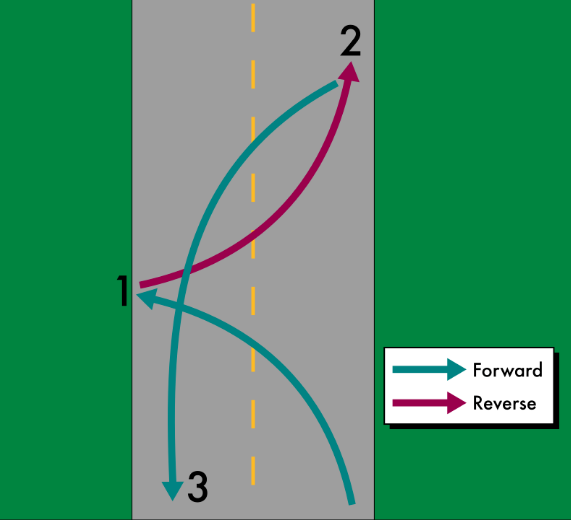
    The three-point turn is also known as a K-turn or T-turn. This method involves three key points:

    • Keep Going Straight: While driving near the turning point keep going straight to the path where you are supposed to go.
    • Make a Turn: When you are doing a three point turn in driving, turn the steering wheel slowly and gently to change the direction without being fast. This is the main point.
    • Back-Up and Realign: While mowing when you want to go back then slightly turn to the side at the same time. So that you can take a straight line and keep your mower in the right position.

    Step 2: Avoiding Common Mistakes

    Some common mistakes are done by some users which make the ugly marks on your lawn. So to avoid the ruts you can stop these mistakes. 

    • Controlled Speed: Do not go fast. Always maintain a steady speed with your zero turn lawn mower. Otherwise you may face difficulties controlling the mower when it is at speed.
    • Wheel Rotation: Often some users turn their zero turn mower too sharply,so one of your mower’s wheels gets stuck which makes a grinding sound and creates a hole in your ground. So to avoid this, turn a bit to the opposite site slowly or rotate the wheels counter wise.
    • Avoid Peeling Out: In wet ground do not spin the wheels otherwise it will mess up the grass and create ugly marks.

    Step 3: Visualizing the Process

    Providing a visual demonstration to reinforce the techniques to avoid ruts with zero-turn lawn mower.

    • Lining Up Straight: Slow down and ensure you align straight before starting the turn.
    • Making the K-Turn: Execute the three-point turn, which gives a smooth and gradual turn.
    • Backwards and Forward: Back up while maintaining control, then push forward to line up perfectly for the next pass.

    Step 4: Understanding the Impact

    • If you don’t follow the three point technique then it will make your lawn messy like some grass might stay too long or too short. Also your mower can hurt the grass and leave big marks inside the lawn. Your turf can be damaged and ruts can be created. Properly not following the right method or technique is equal to waste of time and energy. Additionally the mower’s performance can be down and impacts on its engine cutting quality.

    Now you know the three quick tips to avoid ruts with zero-turn lawn mower . You may also like to read our comprehensive buyers guide for zero turn lawn mowers.

    Bottom Line:

    Now you can understand the three point technique through which the common mistakes can be avoided. By understanding the three-point turn technique, you can save your mowing time and effort. Also you can give a beautiful and professional touch to your lawn without damaging your turf and grass. So to get a well maintained precise lawn you should know about the three point techniques.

    FAQs:

    What are mower ruts?

    Mower ruts are shallow, skinny grooves that appear in yards, typically after heavy rainfall. They are caused by lawnmowers operating on wet soil.

    Why do ruts happen?

    In a wet ground or lawn if you drive a zero turn mower it makes a hole mark or wheel mark which is called rut. Because the wet ground soil is soft and smooth, at that time any heavy vehicle having big big tire wheels if runs then it leaves an ugly mark on your turf or lawn.

  • How Do You Put An Engine of a Zero Turn Lawn Mower into Neutral

    How Do You Put An Engine of a Zero Turn Lawn Mower into Neutral

    Before starting the engine, putting the zero turn mower into neutral is very crucial. The neutral process has some easy steps. Why is it important?  Because it prevents sudden movement of your mower while you turn it on. Also the neutral process helps you to control the mower smoothly like you can turn the blades and change the direction of it etc. So in this guide we have covered all the necessary steps which will guide you how to put your mower engine into neutral. Let’s discuss.

    Here is a step-by-step guide on how to put a zero turn mower engine into neutral:

    How to Put Zero Turn Lawn Mower Engine into Neutral: Step-by-Step Guide

    Step 1: Park on Flat Ground

    • Put your mower on a flat surface and then turn off the engine. For extra stability you can engage the parking brake.

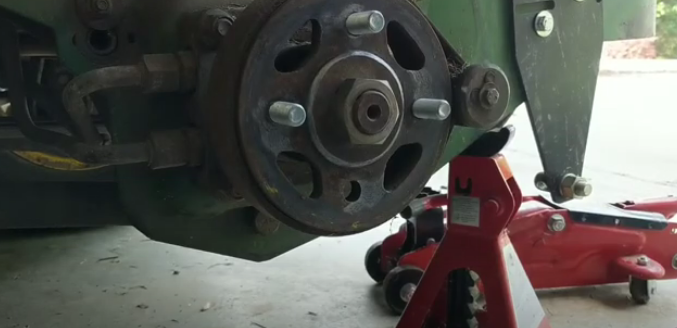
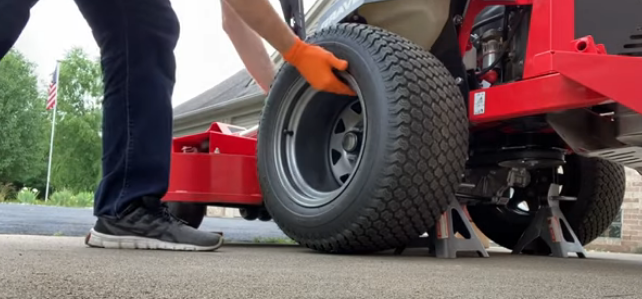
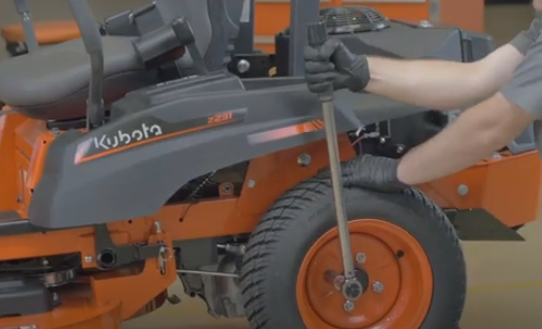
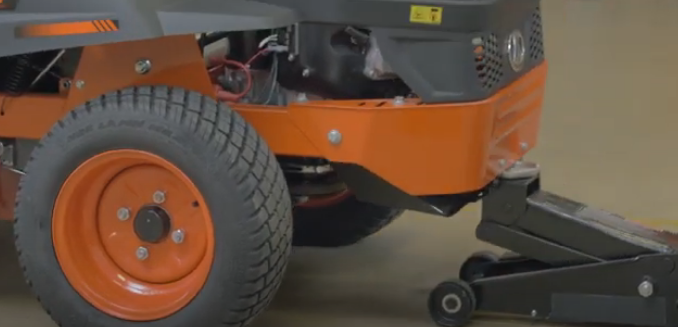
    Step 2: Jack up The Wheels

    • Lift the Back of the Mower:
      • Use a jack to lift the back of the mower.
      • This helps raise both rear wheels off the ground.
    • Secure the Wheels:
      • Put wheel chocks in front of and behind the front wheels.
      • This keeps the mower steady and safe.
    • Add Support with Jack Stands:
      • Slide jack stands under both sides of the back of the mower.
      • These stands support the mower and keep it lifted while you work.

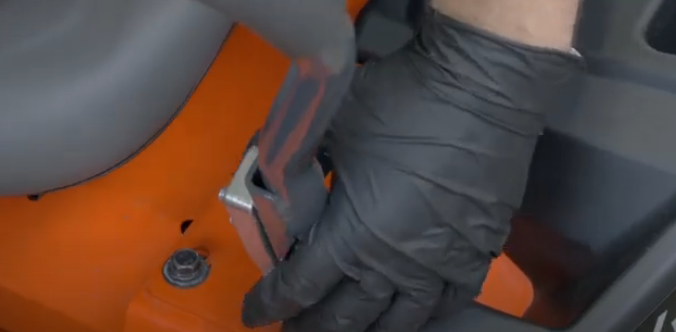
    Step 3: Move Levers to Neutral:

    • Find the control lever and set them to center or neutral position where your mower can not move forward and backward.

    Tip: Some models have latch buttons to lock the levers manually, so press the lock button following your manual book.

    Step 4: Verify Neutral Setting

    • Make sure the mower’s wheels do not spin. If they spin then your drive system is not correctly locked. 
    • Double check and confirm the mower’s engine is in neutral position.

    Step 5: Lower the mower to the ground.

    • Jack up the back of the mower and take away the jack stands.
    • Lower the rear of the mower to the ground.
    • Remove the chocks from the front wheels.

    Step 6: Re-engage When Mowing Again

    • To start again remember to unlock and reposition the control levers before mowing.

    When To Put an Engine of a Zero Turn Lawn Mower into Neutral 

    There are the essential conditions when you should put your zero-turn mower engine into neutral:

    • During any maintenance like changing blades or sharpening blades, tightening the bolts and nuts, replacing spark plugs required the mower should be in neutral position otherwise you will face some potential injuries
    • When parking the mower, engaging neutral is an essential parking step
    • When cleaning the debris from the deck
    • While grease fittings and changing any moving parts
    • When Changing the air filter
    • While checking the tire pressure
    • When changing the engine oils
    • While storing your mower or covering from cold or any weather condition

    Now that you know how to put the engine of your zero turn lawn mower into neutral, you may also like to read read our comprehensive buyer’s guide for zero turn lawn mower.

    Bottom Line

    Now you got to know completely how to put your mower’s engine into neutral and why it is important. Also we got to know when it should keep neutral. So safety is our first priority then whatever the work is. So we hope the above stated steps will help you effortlessly neutralize the engine of the mower.

    FAQs

    Why is it essential to put the Zero Turn Lawn Mower engine in neutral?

    Putting the engine into neutral is crucial for safety and ease of manoeuvring. It allows you to move the mower manually without the blades engaged, facilitating pushing or towing when needed. Additionally, it ensures safe maintenance tasks, as the mower won’t unexpectedly engage while you’re working on it.

    Can I put my Zero Turn Lawn Mower in neutral while the engine is running?

    Putting the Zero Turn Lawn Mower in neutral while the engine runs is not advisable. Always disengage the mower blades, set the parking brake, and turn off the engine before attempting to shift into neutral. This ensures your safety and prevents potential damage to the mower’s transmission. Always follow the manufacturer’s guidelines outlined in the user manual.

  • How Much Does Zero Turn Lawn Mowers Cost


    If you’re thinking about buying a powerful lawn mower, one important thing to think about is how much it costs. To make a smart decision, it’s crucial to understand what makes the prices of these machines go up or down. In this guide, we’ll talk about the different things that decide how much a zero turn lawn mower costs. We’ll cover everything from the basic ones for regular homes to the fancy ones used for big commercial spaces. You’ll learn about the price range and all the cool features these machines can have. For a comprehensive guide on choosing the right zero turn lawn mowers cost, check out our Buyer’s Guide for Glock Laser Light

    Factors Influencing the Cost of Zero Turn Lawn Mowers

    Several factors influence the cost of zero-turn lawn mowers.

    Engine Power: Mowers with more powerful engines tend to be pricier due to increased performance capabilities.

    Cutting Deck Size: Larger cutting decks cover more ground, and mowers with bigger decks are usually more expensive.

    Brand and Model: Established brands or premium models often come with a higher price tag due to their reputation and advanced features.

    Transmission Type: Hydrostatic transmissions, which offer smoother operation, can increase the cost compared to manual transmissions.

    Additional Features: Extras like mulching kits, bagging systems, or suspension systems can add to the overall cost.

    Fuel Type: Diesel-powered mowers are generally more expensive than gas-powered ones due to their efficiency and power.

    Commercial vs. Residential Use: Commercial-grade mowers, built for heavy-duty tasks, tend to be pricier than residential models.

    Accessories and Attachments: Optional accessories, like striping kits or tow-behind carts, can raise the overall cost.

    Warranty and Support: Mowers with longer warranties or robust customer support may have a higher initial cost.

    Market Conditions: Supply and demand, as well as economic factors, can influence mower prices.

    Here’s an overview of zero turn mower prices in three common categories.

    zero turn lawn mowers of different prices

    Entry-Level Zero Turn Mowers

    If you have a small yard that’s less than half an acre, you don’t need to spend a lot on a fancy lawn mower. You can get a good one for under $2,000. Look for brands like Troy-Bilt, Husqvarna, and Poulan Pro. These mowers usually have blades that are 42-46 inches wide, and they’re powered by engines with 15-20 horsepower. They come with basic features like adjustable deck height and comfy seats. While they may not have all the extra cool stuff, these affordable mowers do a great job cutting the grass in smaller yards.

    Mid-Range Zero Turn Mowers  

    Choosing a lawn mower between $2,000 and $5,000 means you get a powerful machine that can handle really big yards, like ones that are at least 1 acre in size. Some well-known brands in this price range are Ariens, Toro, and John Deere.

    These mowers have more strength and durability compared to cheaper ones. They come with advanced features like better transmissions, more horsepower (up to 25 HP), and strong decks made of welded steel or fabricated material, which can be as wide as 54 inches.

    Apart from being tough, these mowers also offer extra comfort. You can find features like comfy seats with suspension, easy-to-use controls, and technology to reduce vibrations. These mid-range models strike a good balance between price and performance, making them a great choice for big lawns around homes.

    Commercial-Grade Zero Turn Mowers

    For people who mow really big lawns all day or for those who have lots of land, the best lawn mowers can cost around $5,000 or more. The ones made by Exmark, Kubota, and Hustler are like super powerful machines with engines that are kind of like turbines, having 25 horsepower or even more. They also have really wide cutting areas, like 60 to 72 inches, and are made with really good quality parts.

    These fancy mowers are not just strong, they also have cool features like their own suspension system (which is like a bouncy system for the mower), really comfy seats with high backs, and controls designed to make it easier for the person driving them. These features help to make sure the person using the mower doesn’t get too tired.

    But, here’s the catch – these awesome mowers are quite expensive. However, if you’re willing to pay the high price, you’ll get a mower that is super powerful, fast, comfortable, and will last a really long time.

    Bottom Line

    No matter how big or small your lawn is, it’s important to spend your money wisely when choosing a lawnmower. Instead of spending all your money, focus on getting a zero turn mower that matches what you need. Look for one that has enough power, the right size for the cutting part, and is easy to use and comfortable. These features will make sure you get the most value for your money. If you shop smart, you can find a great zero turn mower for your yard that’s not too expensive but still works really well.

    FAQs: 

    What is the average cost range for a zero-turn lawn mower?

    Zero-turn lawn mower prices vary based on brand, features, and engine power. Generally, residential models start around $2,500, while commercial-grade mowers can range from $4,000 to $10,000 or more, depending on specifications.

    Are there additional costs associated with zero-turn mowers, such as maintenance or accessories?

    Yes, consider ongoing costs for fuel, maintenance, and accessories like bagging systems or mulching kits. Budget for regular maintenance to ensure optimal performance and factor in any desired attachments when assessing the overall cost of ownership.

    What factors contribute to the price difference among zero-turn mower models?

    Several factors impact the cost, including engine power, cutting deck size, brand reputation, and added features such as ergonomic design or zero-turn radius capability. Assess your preferences to determine which features are worth investing in your lawn care requirements.

  • John Deere vs Husqvarna: Choosing the Ideal Mower for You

    Are you searching for the ideal mower but feeling overwhelmed by choices? Look no further. This comparison between John Deere vs Husqvarna zero turn mowers simplifies your decision-making process. Whether you prioritize speed and comprehensive coverage or precision and reliability, this breakdown helps you choose the perfect fit for your lawn needs. Dive in to make an informed choice effortlessly. But before that, let’s explore the overview of these two products.

    Our Top 5 Picks for Lawn Mowers

    About Husqvarna Z254F

    Z254F zero-turn lawn mower

    Unleash the power of superior lawn care with the Husqvarna Z200 series zero-turn mowers, where performance seamlessly meets style. The ClearCut™ fabricated deck, meticulously designed at 54 inches, guarantees unmatched cutting precision in discharging, bagging, or mulching. The ultra-durable frame ensures longevity and effortless maneuvering, thanks to spring-assisted technology. Your comfort is prioritized with a thick padded seat featuring an open back for ventilation. Enhanced visibility is given, with LED headlights illuminating 50% more area than traditional lights. Accessing controls and maintaining the mower is a breeze, and the automatic brake ensures safety. Though lacking a fuel gauge, this powerhouse delivers quiet, reliable, and enduring performance.

    Pros:

    • ClearCut™ Fabricated Deck for superior cutting in various modes
    • Ultra-durable frame and wheels for long-lasting performance
    • Ventilated seat and LED headlights enhance comfort and visibility
    • Easy maintenance and cleanup with quick access to the cutting deck
    • Automatic brake for safety during operation
    • Smooth, quiet, and reliable power delivery

    Cons:

    • Lack of a fuel gauge for monitoring fuel levels

    About john deere

    Z530R ZTrak™ Mower

    It is introducing the Z530R ZTrak™ Mower, a powerhouse of performance and comfort for lawn maintenance enthusiasts. Its robust 24 hp V-Twin engine, 54-inch High Capacity mower deck, and optional MulchControl™ kit compatibility ensure superior durability and productivity. The operator station boasts a 22.5-inch seat with armrests and ComfortGlide™ suspension, offering a comfortable ride. The advanced instrument display provides easy control, while the 4-year/500-hour bumper-to-bumper warranty ensures peace of mind. Maximize efficiency with premium control levers, dual transmissions, and speeds up to 9 mph. A heavy-duty design ensures reliability and a sleek appearance.

    Pros:

    • Powerful 24 hp V-Twin engine for superior performance.
    • A comfortable ride with a 22.5-inch seat, armrests, and ComfortGlide™ suspension.
    • High-capacity mower deck options (54-inch and 60-inch) with MulchControl™ compatibility.
    • Easy-to-use advanced instrument display with electric fuel gauge.
    • Durable flat-top design of 9-gauge, 0.15-in. high-capacity mower decks.
    • Rollover protective structure (ROPS) for operator safety.
    • Premium control levers and dual transmissions for speeds up to 9 mph.
    • 4-year/500-hour bumper-to-bumper warranty for peace of mind.
    • Heavy-duty design with extra appearance features for reliability and great looks.

    Cons:

    • Cleaning debris from the spindles/pulleys/belt cover is challenging.

    A Comparison: John Deere vs Husqvarna zero turn

    Performance Comparison

    Speed and Power

    • The John Deere excels in speed, boasting a more powerful engine, which translates to quicker mowing sessions.
    • While potentially slower, Husqvarna provides reliable performance and is suited for various lawn sizes.

    Troubleshooting Tip: 

    • Regularly check and maintain engine efficiency for consistent performance.
    • Adjust speed settings according to your terrain to ensure optimal performance and safety.

    Cutting Width

    • The John Deere’s wider cutting width allows for faster coverage of larger areas.
    • Husqvarna, though narrower, offers precision cutting, ideal for maneuvering around obstacles.

    Troubleshooting Tip:

    • Keep blades sharp for cleaner cuts and to prevent tearing of grass blades.
    • Adjust cutting heights based on grass type and weather conditions for an even and healthy lawn.

    Construction and Build

    Deck Construction

    • John Deere features a durable fabricated deck, providing sturdiness and longevity.
    • Husqvarna utilizes an aluminum deck, offering reliability with a lighter weight.

    Troubleshooting Tip: 

    • Verify for any signs of wear and tear on the deck; replace or repair parts to maintain performance.
    • Regularly inspect the deck for debris accumulation to avoid rust and damage.

    Engine Quality

    • John Deere uses a respectable Briggs & Stratton engine, while Husqvarna boasts a higher-grade Kawasaki engine.

    Troubleshooting Tip: 

    • Follow manufacturer-recommended maintenance schedules to keep the engine in top condition for prolonged use.

    Additional Features

    Grease Fittings

    • Husqvarna incorporates grease fittings on spindles and wheels for easier maintenance.

    Troubleshooting Tip: Regularly lubricate these fittings to prevent friction and ensure smooth operation.

    • John Deere might have fewer grease fittings, but routine checks and lubrication are equally essential.

    Troubleshooting Tip: Maintain proper lubrication to prevent premature wear and tear on moving parts.

    Fuel Tank and Design

    • While the Husqvarna’s fuel tank may appear smaller due to plastic components, it maintains a similar capacity to the John Deere.

    Troubleshooting Tip: Ensure proper sealing of plastic components to prevent fuel leaks and damage.

    • John Deere’s larger wheels offer enhanced maneuverability but require proper care to prevent damage.

    Troubleshooting Tip: Check tire pressure regularly and avoid rough terrain to preserve the wheels.

    Here is a tabular version of John Deere vs Husqvarna zero turn.

    AspectJohn DeereHusqvarna
    Speed and PowerExcels in speed with a powerful engineReliable performance for various lawns
    Cutting WidthMore comprehensive coverage for larger areasPrecision cutting around obstacles
    Deck ConstructionDurable fabricated deckReliable aluminum deck
    Engine QualityBriggs & Stratton engineHigher-grade Kawasaki engine
    Grease FittingsFewer fittingsGrease fittings for easier maintenance
    Fuel Tank CapacitySimilar to HusqvarnaMaintains capacity despite appearance
    Wheel SizeLarger for enhanced maneuverabilityAdequate size; requires proper care
    You can read our comprehensive buyer’s guide on John Deere zero-turn lawnmowers.

    Now you know the comparison of John Deere vs Husqvarna zero turn. Also you can read our comprehensive buyer’s guide on zero-turn lawnmowers.

    End thought:

    Deciding between John Deere vs Husqvarna zero turn depends on your lawn needs. If speed, more comprehensive coverage, and a sturdy build are priorities, the John Deere might be your choice. Conversely, if precision, reliability, and a higher-grade engine are your focus, Husqvarna presents a compelling option. Finding the perfect mower involves considering individual preferences and lawn requirements. Explore more details from authorized dealers or online resources before making your decision.